

D-Panthenol Cosmetic Ingredient Manufacturer from Peptidchem. Cosmetic-grade D-Panthenol for moisturizing, skin barrier, hair care and anti-aging ingredient.
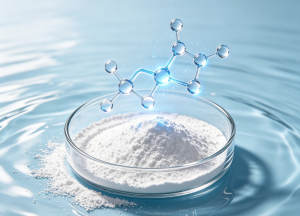
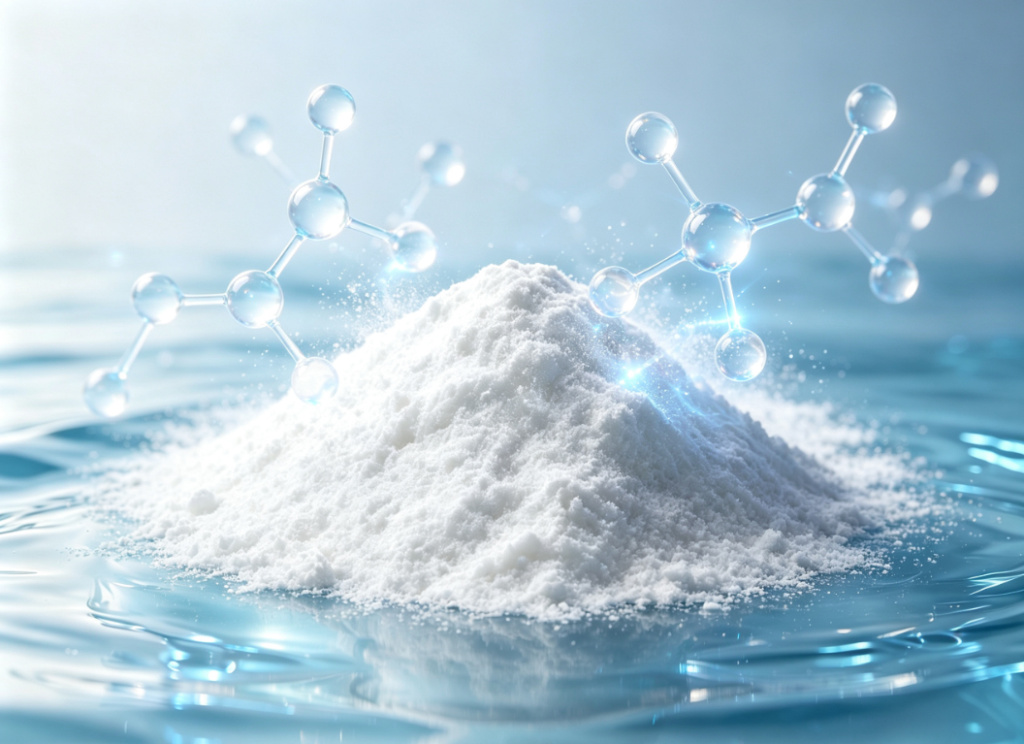
Bulk D-Panthenol Powder (Pro-Vitamin B5) is a water-soluble cosmetic active used in formulations to support barrier function. Peptidchem cosmetic raw materials for international skincare, hair-care and personal-care manufacturers.
Published research has investigated topical dexpanthenol for stratum corneum hydration, transepidermal water loss (TEWL), epidermal barrier function and skin conditioning.
The 2022 Cosmetic Ingredient Review assessment identified Panthenol as a cosmetic skin-conditioning agent/humectant and solvent, and reported that the assessed ingredients were safe under the described cosmetic use conditions.
What is Source of D-Panthenol Powder?
D-Panthenol used in cosmetic raw materials is generally produced through controlled chemical synthesis rather than direct extraction from plants.
For D-Panthenol, an established manufacturing route involves the reaction of D-pantolactone with 3-aminopropanol to form D-panthenol. The Cosmetic Ingredient Review’s published safety assessment describes this type of synthetic manufacturing route.
Cosmetic Grade D-Panthenol Powder Specification
| Test Item | Specification |
| Product Name | D-Panthenol Powder |
| INCI Name | Panthenol |
| Common Names | D-Panthenol, Dexpanthenol, D-(+)-Panthenol, Provitamin B5 |
| CAS No. | 81-13-0 |
| EC No. | 201-327-3 |
| Molecular Formula | C₉H₁₉NO₄ |
| Molecular Weight | 205.25 g/mol |
| Appearance | White to off-white crystalline powder |
| Odor | Characteristic, slight |
| Identification | Conforms |
| Assay | 98.0–102.0% |
| Specific Rotation | Conforms to D-Panthenol specification |
| Water / Moisture | ≤1.0% |
| pH | 4.0–7.0 |
| Solubility | Freely soluble in water |
| Heavy Metals | Complies with applicable specification |
| Lead (Pb) | ≤10 ppm* |
| Arsenic (As) | ≤2 ppm* |
| Cadmium (Cd) | ≤1 ppm* |
| Mercury (Hg) | ≤1 ppm* |
| Total Plate Count | ≤1,000 CFU/g* |
| Yeast & Mold | ≤100 CFU/g* |
| E. coli | Negative |
| Salmonella | Negative |
| Residual Solvents | Complies with applicable specification |
| Particle Size | Customized according to customer requirements |
| Grade | Cosmetic-Grade |
| Application | Skin Care, Hair Care, Personal Care |
| Main Functions | Humectant, Skin Conditioning, Hair Conditioning |
| Storage | Store in a cool, dry place in tightly sealed packaging |
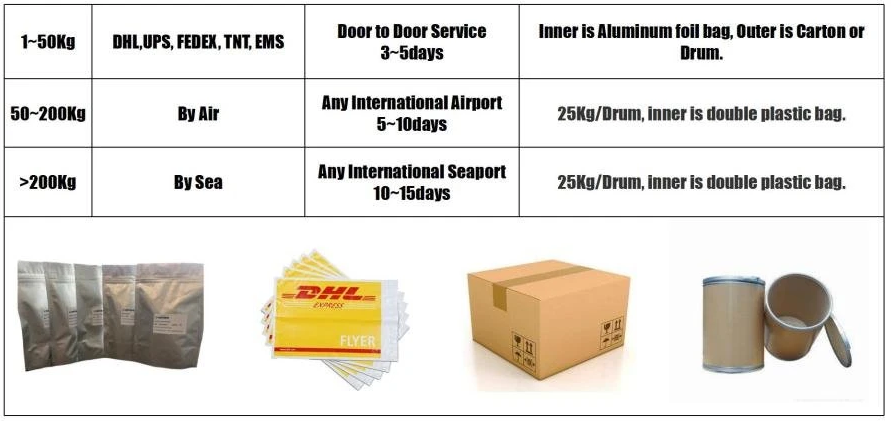
| Packaging | 25kg or customized |
| Shelf Life | 2 years |
D-Panthenol Powder for Skin Moisture, Barrier Support & Anti-Aging Formulas
Yes. For D-Panthenol Powder used in cosmetics, I recommend positioning it primarily around deep hydration, moisture retention, skin-barrier support and “anti-aging hydration”, rather than claiming that D-Panthenol itself is a direct anti-wrinkle active. Clinical research supports improvements in hydration and TEWL/barrier parameters.
| Cosmetic Application | Recommended | Main Positioning |
|---|---|---|
| Hydrating Facial Serum | 0.5–2.0% | Moisture retention, skin conditioning |
| Anti-Aging Serum | 0.5–2.0% | Hydration, barrier support, smoother skin appearance |
| Anti-Aging Cream | 1–3% | Moisturization, barrier support |
| Intensive Moisturizer | 1–5% | Dry-skin hydration |
| Barrier Repair Cream | 1–5% | Barrier-support formulation |
| Facial Essence | 0.5–2% | Hydration |
| Toner | 0.2–1% | Humectant / skin conditioning |
| Sheet Mask Essence | 0.5–2% | Hydration |
| Eye Cream | 0.5–2% | Hydration / conditioning |
| Hand Cream | 1–3% | Moisturization |
| Body Lotion | 0.5–3% | Hydration |
| After-Sun Care | 1–5% | Skin conditioning / hydration |
| Shampoo | 0.2–1% | Hair conditioning |
| Hair Conditioner | 0.5–2% | Conditioning / moisture |
| Hair Mask | 1–3% | Conditioning / softness |
| Leave-in Hair Serum | 0.5–2% | Hair conditioning |
These are formulation starting ranges, not mandatory regulatory limits. Published cosmetic studies have evaluated panthenol-containing formulations from 0.5–5%, while another in-vivo study investigated higher levels and found hydration/barrier effects particularly at 7–11%.
Anti-Aging Moisture Formula
| Ingredient | Recommended | Function |
|---|---|---|
| D-Panthenol Powder | 1.0–2.0% | Humectant, skin conditioning, barrier support |
| Hyaluronic Acid | 0.1–0.3% | Moisture retention / film forming |
| Glycerin | 3–5% | Humectant |
| Niacinamide | 2–5% | Skin conditioning / appearance of uneven tone |
| Betaine | 1–3% | Osmolyte / hydration |
| Ectoin | 0.3–1.0% | Moisture and environmental-stress support |
| Peptide complex | 1–3%* | Anti-aging positioning |
| Preservative | According to supplier | Microbial protection |
| Chelating agent | 0.05–0.1% | Formula stability |
| Water | q.s. to 100% | Solvent |
| pH | Approx. 5.0–6.0 | Skin-compatible formulation target |
Intensive Anti-Aging Moisture Cream
For an anti-aging cream, a higher D-Panthenol level can be considered.
| Phase | Ingredient | Recommended |
|---|---|---|
| A | Purified Water | q.s. to 100% |
| A | Glycerin | 4.0% |
| A | Betaine | 2.0% |
| A | D-Panthenol Powder | 2.0% |
| A | Sodium Hyaluronate | 0.15% |
| B | Caprylic/Capric Triglyceride | 5–8% |
| B | Squalane | 2–4% |
| B | Emulsifier | According to supplier |
| C | Niacinamide | 3–5% |
| C | Peptide Active | According to supplier |
| C | Tocopherol | 0.2–0.5% |
| C | Preservative | According to supplier |
| C | Ectoin | 0.5% |
| C | Citric Acid/NaOH | q.s. for pH |
| Target pH | 5.0–6.0 |
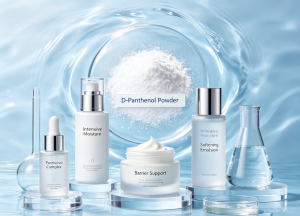
Panthenol vs. Other Moisturizing Ingredients
Panthenol vs. Hyaluronic Acid
| Feature | Panthenol | Hyaluronic Acid |
| Primary Role | Humectant + conditioning | Humectant / film-forming |
| Skin Barrier Positioning | Strong | Depends on molecular weight/formulation |
| Hair Care | Widely used | Less commonly central |
| Water Solubility | High | High |
| Suitable for Serums | Yes | Yes |
| Suitable for Hair Care | Yes | Yes |
| Combination Potential | Excellent | Excellent |
Panthenol vs. Glycerin
| Characteristic | Panthenol | Glycerin |
| Humectant Function | Yes | Yes |
| Skin Conditioning | Yes | Yes |
| Hair Care | Widely used | Widely used |
| Active Ingredient Positioning | Common | Common |
| Typical Role | Humectant + conditioning | Primary humectant |
| Can Be Combined | Yes | Yes |
Why Choose Peptidchem?
Direct bulk supply from the factory helps reduce unnecessary intermediary costs and provides competitive pricing for cosmetic-grade panthenol (Pro-Vitamin B5) Powder.
By Peptidchem Are:
- Have ISO,FDA,HALAL,KOSHER,FSSC22000 Certified
- We serve agent, distributor, traders, brand Customer
- Support for Amazon business, Small business friendly
- 1-by-1 Product Inspection
- 30% Cost Saving
Quality Documentation Available:
- Certificate of Analysis (COA)
- Technical Data Sheet (TDS)
- Safety Data Sheet (SDS)
Contact us today to request a quotation or discuss your specific requirements. Let’s build a strong supply partnership for your next-generation cosmetics product line.
Frequently Asked Questions
Q1:What is Panthenol Powder?
Panthenol Powder is a dry cosmetic raw material based on panthenol, commonly supplied as D-Panthenol. It is widely used as a humectant and skin- and hair-conditioning ingredient.
Q2:What is the CAS number of D-Panthenol?
The CAS number of D-Panthenol/dexpanthenol is 81-13-0.
Q3:Is Panthenol the same as Vitamin B5?
Panthenol is the alcohol analog of pantothenic acid, commonly known as vitamin B5. Dexpanthenol can be converted to pantothenic acid in biological systems.
Q4:Is Panthenol suitable for sensitive-skin formulations?
Panthenol is widely used in cosmetic formulations designed for dry and sensitive skin. Published clinical research has investigated its effects on hydration and epidermal barrier function.
Q5:What is the recommended dosage of Panthenol in cosmetics?
A common formulation starting range is approximately 0.5–2%, although some intensive formulations may use higher concentrations. The final level should be determined by the formulator based on product type, stability, performance and applicable regulations.
Q6:Can Panthenol be used in hair-care products?
Yes. Panthenol is commonly used in shampoos, conditioners, hair masks and leave-in products as a hair-conditioning ingredient.
Q7:Is Panthenol water soluble?
Yes. Panthenol is highly suitable for water-based cosmetic formulations.
Q8:Can Panthenol be combined with Hyaluronic Acid?
Yes. Panthenol and hyaluronic acid can be used together to create complementary hydration systems.
Q9:Can Panthenol be combined with Glycerin?
Yes. Glycerin and Panthenol are commonly used together in moisturizing formulations.
Q10:Does Peptidchem supply Panthenol in bulk?
Peptidchem’s B2B raw-material supply model is designed for bulk cosmetic ingredient procurement. Buyers should contact the sales team to confirm current inventory, MOQ, packaging, specifications and export documentation.
Q11:Can Peptidchem provide a COA?
A product-specific COA should be requested for the commercial batch. The final COA should be used as the authoritative document for the supplied material rather than a generic website specification.
Q12:Can Panthenol Powder be used in private-label cosmetic products?
Yes. Panthenol Powder can be incorporated into private-label skincare and hair-care formulations, subject to the formulation manufacturer’s regulatory and quality requirements.
References
Scott LN, et al. Safety Assessment of Panthenol, Pantothenic Acid, and Derivatives as Used in Cosmetics. International Journal of Toxicology, 2022.
Gehring W, Gloor M. Effect of topically applied dexpanthenol on epidermal barrier function and stratum corneum hydration. Arzneimittelforschung, 2000.
Cosmetic Ingredient Review. Safety Assessment of Panthenol, Pantothenic Acid, and Derivatives as Used in Cosmetics.