





Wholesale Eyeseryl Acetyl Tetrapeptide-5 Powder for eye contour skincare formulations. Anti-puffiness cosmetic peptide supplier bulk.
What is Acetyl Tetrapeptide-5 Powder?
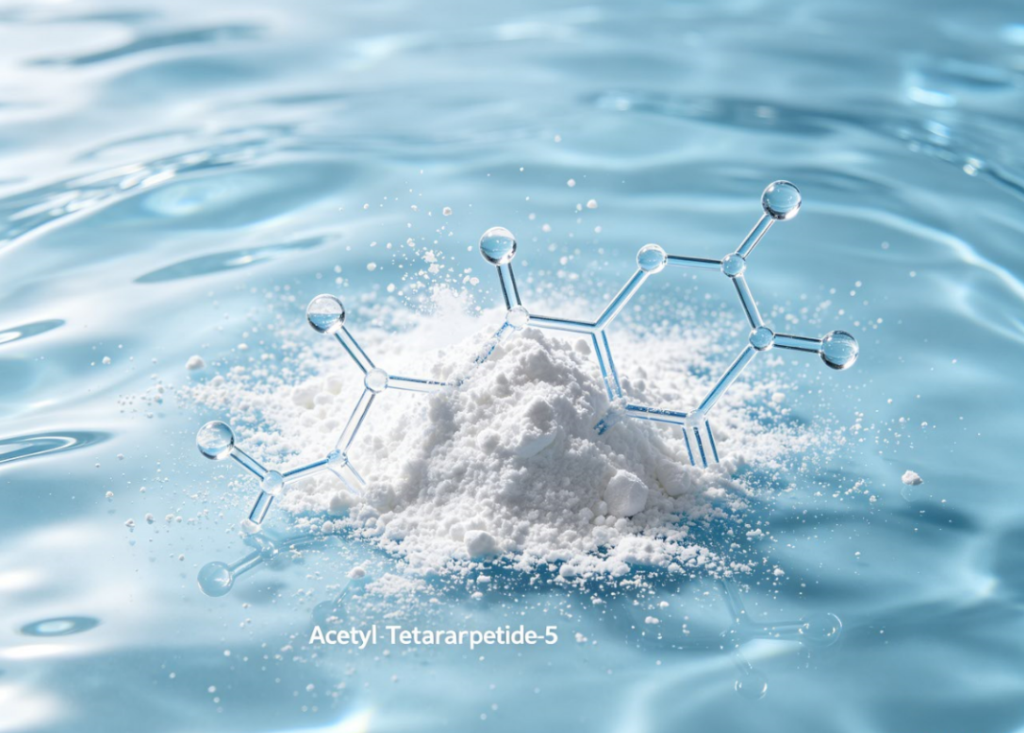
Acetyl tetrapeptide-5 bulk powder is a synthetically produced biomimetic peptide, developed through solid-phase peptide synthesis (SPPS). It is designed to mimic natural biological signaling peptides involved in vascular and lymphatic regulation.
Manufacturing Process of Acetyl Tetrapeptide-5
We production follows GMP-compliant peptide synthesis standards:
Amino Acid Selection & Protection
High-purity protected amino acids selected
Solid-Phase Peptide Synthesis (SPPS)
Stepwise peptide chain assembly
Cleavage & Deprotection
Removal of protecting groups under controlled conditions
Purification
High-performance liquid chromatography (HPLC ≥ 98%)
Lyophilization
Freeze-drying into stable powder form
Quality Testing & Sterilization
Microbial testing, heavy metal testing, purity verification
Acetyl Tetrapeptide-5 Powder Specifications
| Parameter | Specification |
| Product Name | Acetyl Tetrapeptide-5 |
| INCI Name | Acetyl Tetrapeptide-5 |
| Appearance | White to off-white powder |
| Odor | Odorless |
| Purity (HPLC) | ≥ 98.0% |
| Molecular Weight | ~492.5 Da |
| Solubility | Water soluble |
| pH (1% solution) | 5.0 – 7.0 |
| Loss on Drying | ≤ 5.0% |
| Heavy Metals | ≤ 10 ppm |
| Lead (Pb) | ≤ 2 ppm |
| Arsenic (As) | ≤ 1 ppm |
| Cadmium (Cd) | ≤ 1 ppm |
| Mercury (Hg) | ≤ 0.1 ppm |
| Microbial Limit | Complies with cosmetic standards |
| Total Plate Count | ≤ 1000 CFU/g |
| Yeast & Mold | ≤ 100 CFU/g |
| Endotoxin | Optional specification (≤ 10 EU/mg) |
| Storage | 2–8°C, dry & light-protected |
| Shelf Life | 24 months |
Acetyl Tetrapeptide-5 Application
Acetyl Tetrapeptide-5 is best positioned as:
Eye Anti-Puffiness Active Ingredient
Microcirculation Improvement Peptide
Anti-Fatigue Cosmetic Functional Peptide
Luxury Eye Contour Repair System Component
It is especially effective when combined with:
- Caffeine (decongestion)
- Hyaluronic Acid (hydration)
- Matrixyl (wrinkle reduction)
- GHK-Cu (skin regeneration synergy)
Acetyl Tetrapeptide-5 Recommended Dosage
| Application | Recommended |
| Eye Serum | 0.02% – 0.1% |
| Eye Cream | 0.01% – 0.08% |
| Gel Formulations | 0.03% – 0.1% |
| Ampoule / Booster | 0.05% – 0.2% |
| Multi-peptide blends | 0.01% – 0.05% |
*Notes: Add into water phase below 40°C,Avoid strong acids or oxidizing systems,Ideal pH range: 5.0 – 7.0,Compatible with most cosmetic peptides.
Why Choose Peptidchem?
As a professional peptide manufacturing factory, we provide:
- Advanced HPLC & QC testing systems
- Stable bulk export supply chain
- Full COA, MSDS, and regulatory documentation
- Scalable production from gram to kilogram level
- Export experience to EU, USA, Korea, and Japan markets
We specialize in cosmetic peptides for premium skincare brands and contract manufacturers worldwide.
Contact Us for Wholesale Orders
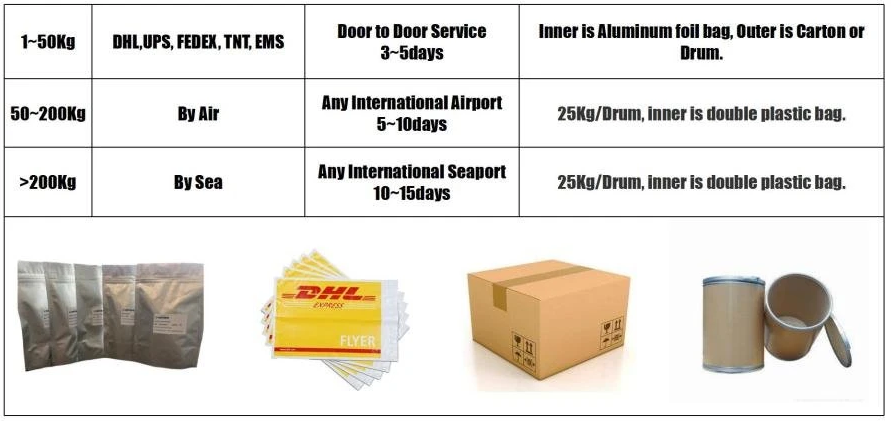
Wholesale Acetyl Tetrapeptide-5 Powder form Peptidchem, we specializing in anti-aging ingredients and advanced delivery technologies. We provide one-stop production services for raw material sourcing for skincare brands, distributors, and importers. Contact us now!
Cosmetic Peptide Manufacturer FAQ:
Q1.Is Acetyl Tetrapeptide-5 safe for cosmetic use?
Yes. It is widely used in cosmetic formulations and considered safe when used at recommended concentrations.
Q2.Can it be combined with other peptides?
Yes. It works well with peptides like Matrixyl, Argireline, and GHK-Cu in advanced anti-aging formulations.
Q3.What is the solubility of this peptide?
It is water-soluble and should be incorporated in the aqueous phase of formulations.
Q4.Do you support OEM private label?
Yes, we support full OEM cosmetic formulation services for global brands.
Q5.What is your minimum order quantity (MOQ)?
MOQ typically starts from 10g for samples and 25kg for bulk orders.
References
Cosmetic peptide research literature on microcirculation regulation
INCI safety and cosmetic ingredient databases
Supplier technical documentation for Eyeseryl™ peptide applications
Dermatological studies on periorbital edema reduction mechanisms